Key Takeaways
- Art prints deliver exceptional quality and detail at a fraction of the cost, making them perfect for budget-conscious buyers starting their collection
- Original paintings offer investment potential but come with market risks and premium pricing due to their authenticity and uniqueness
- Smart budget allocation of 5-15% of home decorating funds, plus framing costs, helps build a meaningful art collection
- Limited edition prints bridge the gap between affordability and investment value through numbered, signed pieces
- Impressionistic artwork translates beautifully across both print and original formats, maintaining visual impact
Choosing between art prints and original paintings doesn’t have to break the bank or compromise on beauty. Understanding the fundamental differences in quality, cost, and investment potential empowers first-time buyers to make confident decisions that enhance their spaces while respecting their budgets.
Art Print Quality Delivers Stunning Detail for Budget-Conscious Buyers
Modern printing technology has revolutionized the art world, delivering museum-quality reproductions that capture every brushstroke and color nuance. High-quality fine art prints, particularly giclée prints made with archival inks, achieve exceptional detail and color accuracy that closely resembles original artwork. These prints provide an affordable and accessible entry point into art appreciation, allowing budget-conscious buyers to acquire pieces they genuinely love without the premium price tag.
The flexibility of prints extends beyond cost savings. Buyers can choose from various sizes and materials to perfectly fit their space and decorating needs. Whether selecting a large statement piece for the living room or a series of smaller works for a hallway gallery, prints offer customization options that original paintings simply cannot match. Malenda Trick Art Gallery specializes in helping buyers understand these quality differences and find pieces that deliver maximum visual impact within their budget constraints.
Unlike mass-produced posters, quality art prints maintain their vibrancy and detail for decades when properly cared for. Archival papers and fade-resistant inks ensure that today’s investment continues to enhance living spaces for years to come. This longevity makes prints an excellent choice for renters or those who frequently redecorate, as the lower initial cost allows for style evolution without significant financial loss.
Original Paintings Carry Investment Potential with Market Risks
1. Authenticity and Uniqueness Commands Premium Pricing
Original paintings represent singular creations that embody the artist’s direct touch, making each piece irreplaceable. This authenticity creates an emotional connection between the buyer and the artwork that reproductions cannot replicate. The artist’s time, unique materials, and the prestige of owning a one-of-a-kind piece drive the higher costs associated with originals. Collectors value the craftsmanship and individual character that comes only from original work, where every brushstroke tells part of the artist’s story.
2. Value Appreciation Varies with Market Trends and Artist Recognition
While original paintings often appreciate in value over time, this investment potential comes with significant market risks. An artist’s recognition, career trajectory, and overall art market conditions influence value appreciation. Established artists with gallery representation and auction history typically offer more stable investment prospects, while emerging artists present higher risk but potentially greater rewards. Market trends can shift dramatically, affecting both individual pieces and entire artistic movements.
3. Direct Artist Support Builds Community Connection
Purchasing original artwork directly supports artists and the broader creative community, funding their ongoing artistic endeavors and sustaining the arts ecosystem. This direct relationship often includes opportunities to commission custom pieces, attend studio visits, or participate in the artist’s creative process. Many buyers find deep satisfaction in knowing their purchase enables an artist to continue creating, building meaningful connections that extend beyond the transaction itself.
Smart Budget Strategies Make Quality Art Accessible
1. Allocate 5-15% of Home Decorating Budget for Art
Financial advisors recommend dedicating 5-10% of a total home decorating budget to artwork, with flexibility to increase this percentage for art enthusiasts. This allocation ensures that art becomes an integral part of the design process rather than an afterthought. For a $10,000 decorating budget, this translates to $500-$1,000 for art purchases, which can fund several quality prints or one modest original piece. Starting with this framework helps prevent overspending while ensuring adequate resources for meaningful acquisitions.
2. Plan for Additional Costs Like Framing and Shipping
Hidden costs can significantly impact art budgets, with custom framing ranging from $100-$500 per piece and shipping adding another expense layer. Professional framing often costs 20-30% of the artwork’s purchase price, making it necessary to factor these expenses into initial planning. Insurance, hanging hardware, and potential installation services represent additional considerations that budget-conscious buyers must anticipate. Planning for these ancillary costs prevents unpleasant surprises and ensures the complete presentation budget aligns with expectations.
3. Consider Payment Plans for Higher-Priced Pieces
Many galleries and online platforms now offer payment plans that make higher-priced original pieces financially manageable. These arrangements allow buyers to secure desired artwork while spreading costs over several months, making original paintings accessible to those with limited upfront capital. Interest-free payment options particularly benefit buyers who want to invest in originals but prefer manageable monthly commitments over large lump-sum payments.
Limited Edition Prints Bridge Quality and Affordability Gap
Giclée Printing Technology Matches Original Color Accuracy
Giclée printing represents the pinnacle of reproduction technology, using archival pigment inks and museum-quality papers to achieve color accuracy that rivals original paintings. This sophisticated process captures subtle color gradations and texture details that traditional printing methods miss, creating reproductions worthy of gallery walls. The precise ink application builds rich, nuanced colors layer by layer, resulting in exceptional quality that closely matches the original artwork.
Signed and Numbered Pieces Hold Investment Potential
Limited edition prints signed and numbered by the artist occupy a middle ground between open edition reproductions and original works. These pieces can hold and potentially increase in value, especially when produced in small quantities or by recognized artists. The artist’s signature adds authenticity while the numbered limitation creates scarcity, two factors that drive collectibility and potential appreciation in the secondary market.
Impressionistic Artwork Translates Effectively Across Print and Original Formats
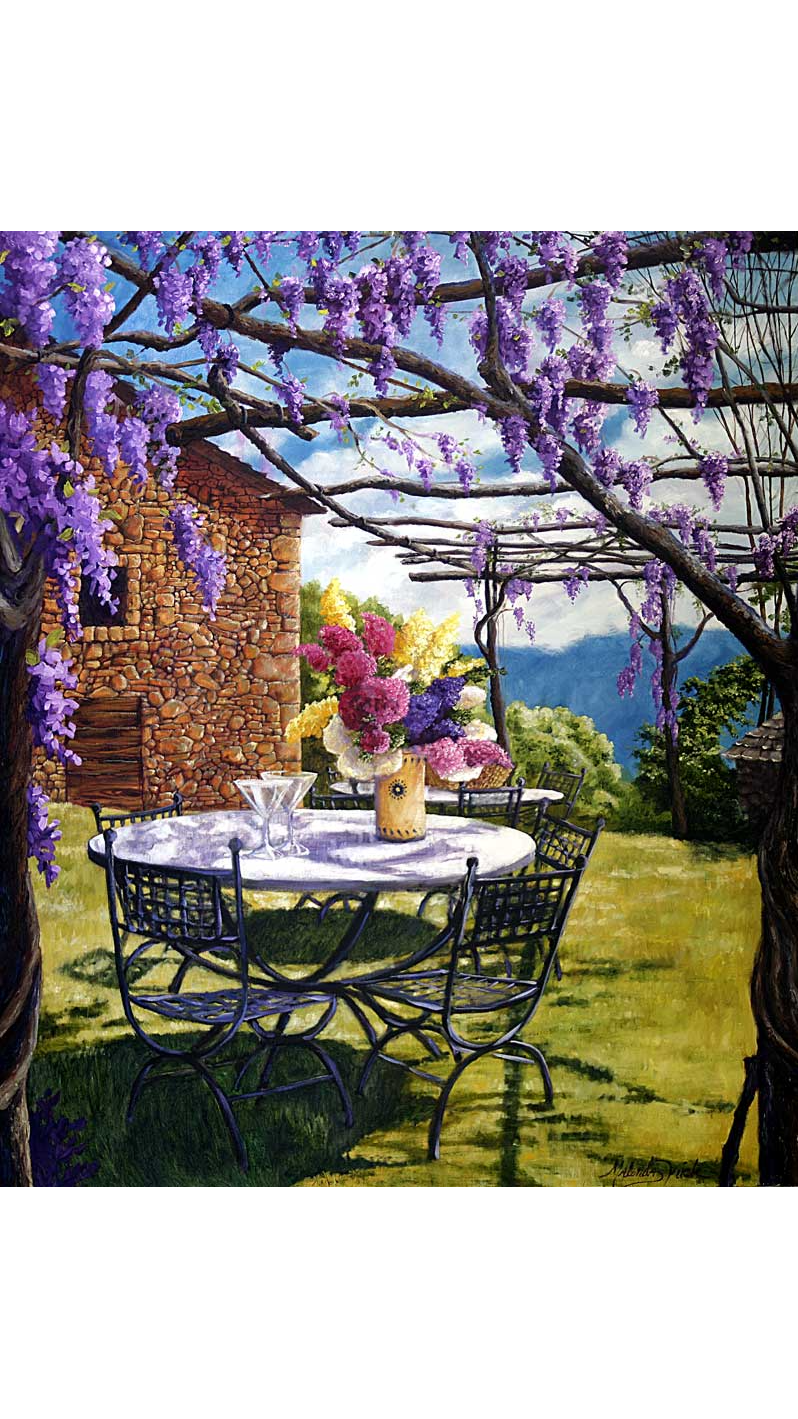
Impressionistic styles, with their emphasis on color, light, and atmospheric effects, translate beautifully from original paintings to high-quality prints. The loose brushwork and color relationships that define Impressionism maintain their visual impact even in reproduction, making this artistic style particularly suitable for print collectors. Artists like Malenda Trick, who works in what she calls “Romantic Impressionism,” create pieces that retain their emotional appeal and visual impact across different formats.
The flowing lines, brilliant colors, and stimulative textures characteristic of Impressionistic work depend more on overall composition and color harmony than minute detail, allowing quality prints to capture the essence that makes these pieces compelling. This compatibility makes Impressionistic prints an excellent choice for buyers who want maximum visual impact without original painting costs.
Start Your Art Collection with Prints, Then Invest in Originals
Building an art collection requires patience, education, and gradual investment growth. Starting with quality prints allows new collectors to develop their aesthetic preferences, learn about different artists and styles, and understand how artwork functions in their living spaces. This foundation provides valuable experience that informs future original purchases, reducing the risk of costly mistakes early in the collecting process.
As collectors gain confidence and budget capacity, transitioning to original works becomes a natural progression. The knowledge gained from print collecting – understanding color relationships, scale considerations, and personal style preferences – proves invaluable when making larger investments in original pieces. This graduated approach builds both expertise and collection value over time while maintaining financial prudence throughout the process.
Learn how Malenda Trick Art Gallery can help guide your art collecting process with expert advice on finding quality pieces that fit your budget and enhance your space.
Malenda Trick Art Gallery
clark@malendatrick.com
+1 619 292 9110
160 Royal Palm Drive
#274
Marco Island
Florida
34145
United States
