
CHARLOTTE, NC – X-Sense highlights the growing need for whole-home protection as fire behavior in modern households becomes increasingly unpredictable.
Nobody expects their kitchen remodel to put them in danger. You plan the tiles, order the cabinets, and maybe rent a tile saw for the weekend. The smoke alarm is on the ceiling. Everything feels covered.
But home improvement projects create a very different set of conditions than normal daily life. Tools run hot, chemicals sit open, gas lines get bumped, and ventilation gets blocked for days. Most of the risks build quietly. By the time something goes wrong, the setup for it had happened three days earlier.
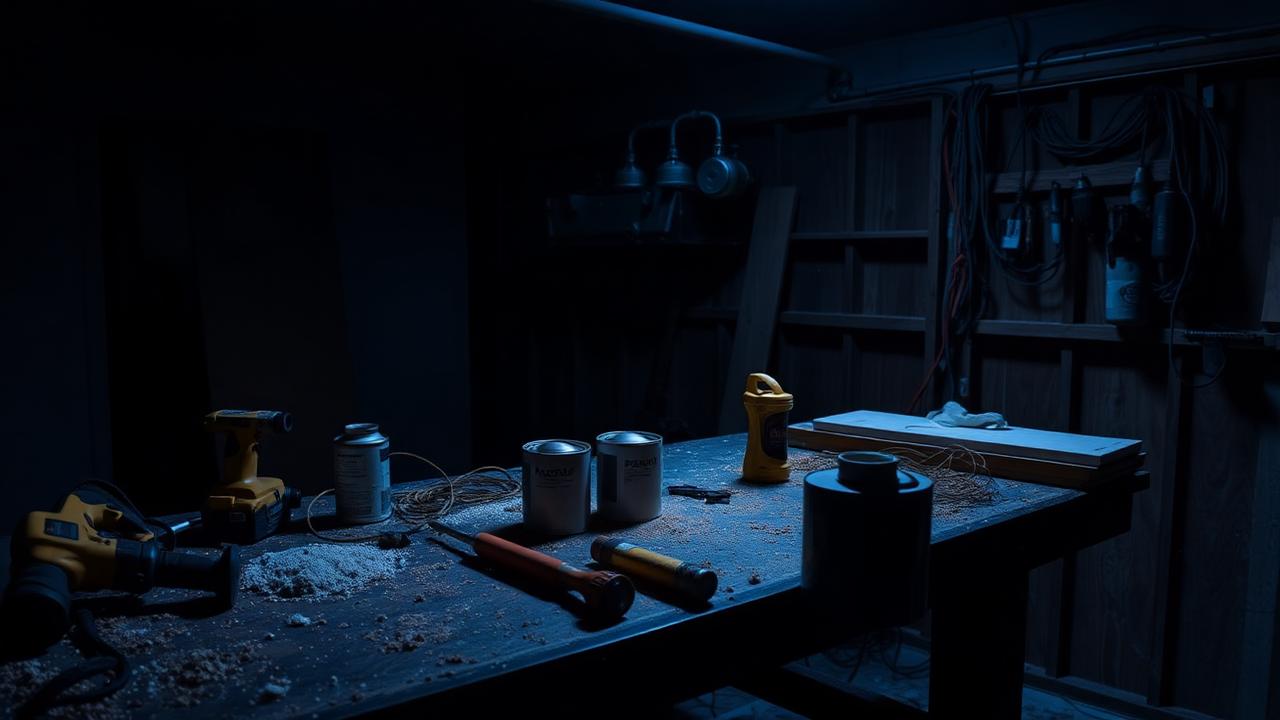
Sawdust on the Floor Is a Real Fire Hazard
This one surprises people. Sawdust looks harmless. It’s just wood. But fine wood dust particles, especially those floating in the air, catch fire easily. A spark from a power tool, a loose wire, or two metal surfaces grinding together is enough. Industrial mills have been leveled by dust explosions. Your home shop won’t produce that scale, but the same ignition risk exists.
Use a wet/dry vacuum to remove sawdust. Don’t use compressed air — it tosses particles into the air, where they are more likely to catch fire. If woodworking is a frequent task for you, a dust collection setup is worth the money.
Flammable Liquids Left Near Heat Sources
Coatings get used on the job during renovation projects — paint thinners, adhesives, varnishes, and oil-based primers. They all give off fumes that readily burn in the presence of heat or a flame.
The problem usually isn’t careless use. It’s a half-empty tin of solvent sitting next to a running space heater at the end of the day, or a can of spray adhesive stored near the hot pipe you’re cutting around. Read the label before storing anything. Products specify minimum safe distances from heat sources. Most people skip that part entirely.
Bumped Gas Appliances and the CO Problem Nobody Sees
This is the worst hazard. People continuously work on HVAC units, water heaters, and heating units. A contractor bumps a flue pipe and loosely reattaches it. The water heater gets moved aside to reach the wall behind it, then put back. None of it seems serious at the time.
However, a broken or kinked exhaust pipe or flue does not release smoke. It releases carbon monoxide. You won’t smell it. The initial symptoms are typically headaches or nausea, often blamed on a long day. Gas appliances produce CO even when they appear to run normally. If the exhaust path is compromised at all, that CO stays indoors. During active renovation, that risk increases significantly.
A portable CO alarm that moves from room to room solves this directly. The X-SENSE XC01-R runs on a battery, has no fixed mount, and shows live CO readings on an LCD display. You can carry it into whichever room is being worked on. If levels are climbing, you’ll see the numbers before the alarm threshold is reached — which matters when ventilation is restricted and gas appliances are nearby.
Blocked Ventilation During Kitchen and Bathroom Work
Exhaust fans get pulled during tile work. Walls get sealed mid-project. A kitchen that normally has decent airflow suddenly has none. Running a gas cooker in a sealed kitchen, using a propane heater to cure adhesive, or running a generator during a power outage — all of these build CO fast when air can’t move.
The practical rule: if ventilation is reduced and something is burning fuel in that space, limit the time inside it. Keep a carbon monoxide alarm in the room while work is active. CO is colorless and odorless, so you’re relying entirely on a detector to catch what you can’t.
Loose Outlets and Exposed Wiring
Renovation projects disturb a lot of electrical work. Outlets get pulled, circuits get half-wired, and extension cords run for days under loads they were never rated for. A loose outlet isn’t just sitting there safely — the wires inside move every time someone plugs in a tool, and that repeated movement causes arcing. Arcing inside a wall can cause fires, sometimes weeks after the job is finished.
Common mistakes worth avoiding: power tools running off undersized extension cords for the full project duration; junction boxes left open inside walls before drywalling; circuits spliced without proper connectors; and temporary lighting rigs left permanently in place. If you’re doing electrical work yourself, have a licensed electrician check it before the walls close.
Chimneys After Roof or Attic Work
Renovations of a roof, attic, or outside space adjacent to a chimney should be followed by a survey. A flue can be partially obstructed by construction debris, fallen flue caps, or seasonal nesting without any external indication. A blocked chimney pushes CO back inside rather than venting it out. It doesn’t need to be fully blocked — a partial restriction during fireplace use can raise indoor CO to dangerous levels while a household sleeps.
Small Oversights, Serious Consequences
Home improvement projects feel deliberate and controlled. That’s part of why the risks get missed. Sawdust doesn’t look like a fire hazard. A loose flue connection looks reconnected. A paint tin near a heater looks like it’s just stored there. None of it looks alarming in the moment.
Removing a smoke or CO detector during dusty phases to stop false triggers is common. Forgetting to reinstall it is just as common. If you move one during a project, mark it and put it back the day work ends.
About X-SENSE Innovations
Founded in 2013, X-SENSE Innovations operates from its registered U.S. address at X-SENSE USA LLC, 1209 Orange St, Wilmington, DE 19801, and specializes in developing certified home fire and safety solutions for both residential and commercial environments. The company focuses on producing professional and user-friendly safety devices, including domestic fire alarms such as smoke, carbon monoxide, and heat alarms, as well as smart home safety systems covering fire protection, intrusion detection, and indoor environment monitoring.
More information is available at www.x-sense.com.
Official company social media profiles: Facebook and Instagram.
Media Detail
Contact Person Name: Farrukh
Company Name: X-Sense
Email: service@x-sense.com
Website: https://www.x-sense.com/
Phone: +1 (833) 952-1880


