
CHARLOTTE, NC – X-Sense highlights the growing need for whole-home protection as fire behavior in modern households becomes increasingly unpredictable.
Most families think about home safety when something goes wrong, such as a power cut, a small kitchen fire, or a strange smell from a boiler. By then, the focus is usually on solving the immediate problem. The everyday habits that help prevent serious emergencies often get pushed aside because they do not feel urgent.
Home safety does not need to be complicated. In most cases, it comes down to a few small routines that are easy to maintain but make a real difference when time matters. From testing alarms to keeping exit routes clear, these steps help create a safer home for children, older relatives, guests, and pets.
Assuming alarms are working without testing them
Many homes have smoke alarms installed, but that does not always mean they are working properly. Batteries can run low, sensors can reach the end of their lifespan, and alarms may be accidentally disabled after cooking smoke or a false alert.
A useful habit is to test smoke and carbon monoxide alarms once a month using the test button. This takes only a few minutes, yet it helps ensure the alarm can still be heard throughout the home. It is also worth checking that children understand what the sound means and know they should leave the property rather than hide or wait for an adult to investigate.
Families should also avoid relying on one alarm in a hallway or near the front door. Alarms should be placed in suitable locations around sleeping areas and across different levels of the home. Larger homes, homes with basements, and properties with separate living spaces may need extra coverage.
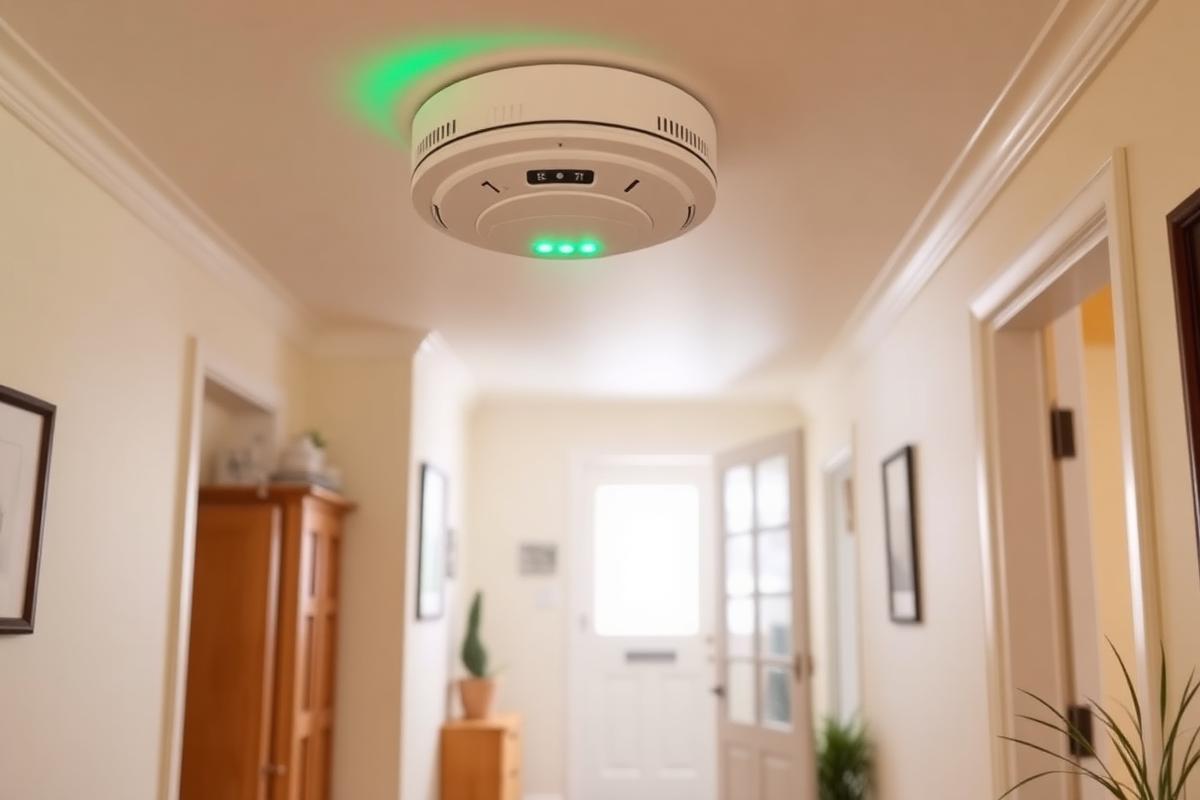
For households updating older devices, a combined smoke and carbon monoxide detector can be a practical option because it brings protection from two separate risks into one unit. The important part is choosing suitable alarms for the home layout and maintaining them properly over time.
Forgetting that carbon monoxide cannot be seen or smelled
Carbon monoxide is one of the easiest home risks to overlook because it is colourless and odourless. It can be produced by fuel-burning appliances such as boilers, gas fires, furnaces, fireplaces, and portable heaters when they are faulty, poorly maintained, or not properly ventilated.
Families may remember to book an annual boiler service but forget to check vents, chimneys, or appliance areas during the rest of the year. Blocked vents, poor ventilation, and damaged flues can all create problems that are not obvious at first glance.
Carbon monoxide alarms should be treated as a basic household safety measure, especially in homes with gas appliances, fireplaces, attached garages, or fuel-burning heating systems. They are not a replacement for professional servicing, but they provide an important early warning if dangerous levels of gas are present.
In homes with several bedrooms or separate floors, interconnected alarms can also be useful because an alert in one area can be heard elsewhere in the property. X-SENSE SC07-W combo smoke and CO detector is designed for wireless interconnection, which can help households build wider alarm coverage without treating safety as an afterthought.
Leaving escape routes cluttered
Hallways, staircases, landings, and doorways often become storage areas without anyone noticing. Shoes, boxes, drying racks, pushchairs, bags, toys, and small furniture can quickly block a route that needs to stay clear.
This becomes more important at night, when visibility may be poor and family members may be tired, confused, or rushing. A clear path to the front door, back door, or another safe exit can make a major difference during an emergency.
Take a walk through the house from each bedroom and ask a simple question: could everyone get outside quickly if there was smoke in the hallway or kitchen? If the answer is no, clear the route and think about another possible exit.
Families should also agree on one meeting point outside, such as a neighbour’s driveway, a tree across the road, or the end of the garden. This prevents people from going back inside to look for someone who may already be safe outside.
Treating kitchen safety as common sense rather than a routine
Cooking is part of daily life, which is exactly why it can become risky. People leave pans unattended while answering the door, checking a phone, helping a child, or doing another task nearby. Grease build-up, damaged appliance cables, and overloaded sockets can also create avoidable hazards.
Simple habits reduce the risk. Stay close to the kitchen while food is on the hob, turn pan handles inward, keep towels and packaging away from heat, and avoid using damaged plugs or cables. If a small grease fire starts, never throw water on it. Turn off the heat if it is safe to do so, leave the area, and call emergency services if needed.
It is also sensible to keep an eye on charging devices. Phones, tablets, e-bikes, power banks, and laptops should be charged on hard, clear surfaces rather than beds, sofas, or piles of clothes. Damaged batteries and cheap charging cables should be replaced instead of ignored.
Failing to update safety routines as life changes
A home that was safe two years ago may need a new safety check today. A new baby, elderly relative, pet, loft conversion, home office, gas appliance, or bedroom rearrangement can all change how a family would respond during an emergency.
Reviewing home safety after major changes is a simple but often forgotten habit. Check whether alarms can still be heard in every sleeping area, whether exits remain clear, and whether children know what to do if an alarm sounds.
The best home safety plan is not the most expensive or complicated one. It is the one a family can actually follow. A monthly alarm test, a clear escape route, regular appliance checks, and a short conversation about what to do in an emergency can help turn home safety into a normal part of family life rather than something considered only after it is too late.
About X-SENSE Innovations
Founded in 2013, X-SENSE Innovations operates from its registered U.S. address at X-SENSE USA LLC, 1209 Orange St, Wilmington, DE 19801, and specializes in developing certified home fire and safety solutions for both residential and commercial environments. The company focuses on producing professional and user-friendly safety devices, including domestic fire alarms such as smoke, carbon monoxide, and heat alarms, as well as smart home safety systems covering fire protection, intrusion detection, and indoor environment monitoring.
More information is available at www.x-sense.com.
Official company social media profiles: Facebook and Instagram.
Media Detail
Contact Person Name: Farrukh
Company Name: X-Sense
Email: service@x-sense.com
Website: https://www.x-sense.com/
Phone: +1 (833) 952-1880


